Outdoor Handrails: Protection from Weather and Corrosion
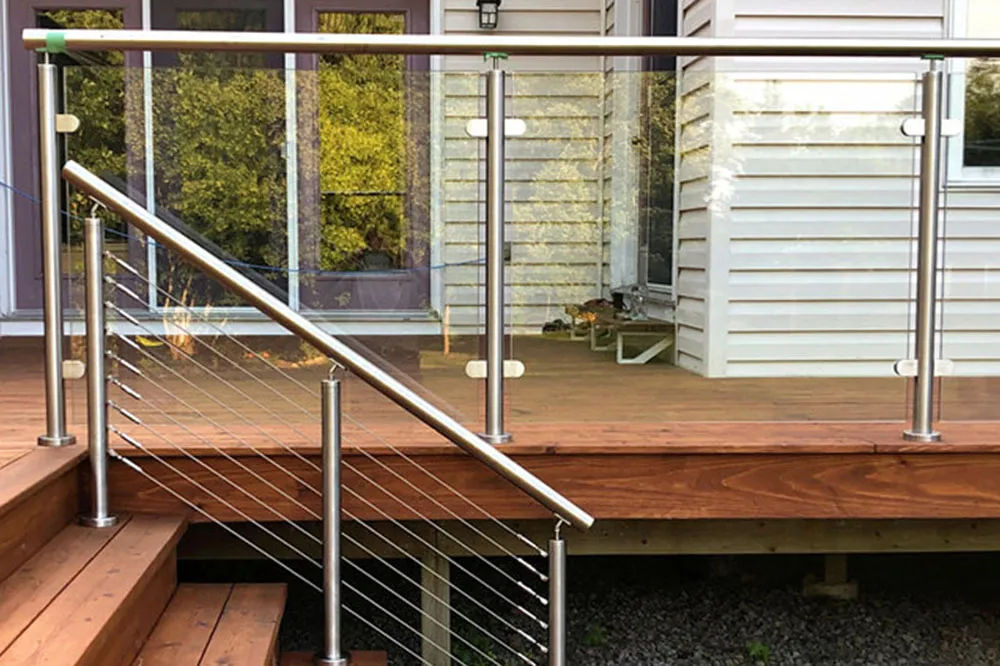
Rain, sun, salt spray and freeze and thaw wear down exterior handrails. What creates the difference between rails that look great after ten years and rails that blister in two usually comes down to three things: the right metal, proper protective coatings, and small design details that let water out and air in. Follow this guide to build rails that can ride out the storms.
Select a suitable metal for the site
Hot-dip galvanised (HDG) steel
The first choice for most outdoor work. The zinc coating protects cut edges and internal cavities and slows down rust. Ideal for inland or temperate situations.
316 stainless steel
Where chlorides are encountered: coastlines, swimming pools, areas subject to de-icing salts, food preparation zones. It pitting and tea stains much more than 304.
Aluminium (marine or architectural grades)
Lightweight, naturally corrosion resistant and suitable for long runs or retrofits. Specify anodising or powder coating for extra durability.
Rule of thumb
If you can smell salt in the air, or you are near chlorinated water, specify 316 stainless, or HDG steel with a high-spec coating system.
- Use layered protection and get the prep right
- Think of coatings as a raincoat over armour.
Steel
Galv first, then zinc-filled primer, then polyester powder coat. Galv-only can be too industrial in appearance; galvanise and powder gives colour, UV resistance and impact strength.
Stainless
Finish is as critical as grade. Brushed or bead-blasted finishes leave fewer marks outside than mirror polish. Clean and passivate after production to remove iron contamination.
Aluminium
Anodise for excellent metal look and excellent UV resistance, or powder coat for colour of finish. Avoid using hard alkaline cleaners that will ruin anodic films.
Pro tip
Surface prep is critical. Degrease, clean, and respect cure times. A good powder coat over poor prep won’t last long.
Detail to shed water
- Trapped moisture by corrosion adores it and cavities. Design to remove both.
- Seal hollow members and use closed end caps, weep holes in channels and posts so water can drain out
- Slope or crown top rails slightly, even 2–3° will shed water
- Use continuous, dressed welds, not stitch welds, then seal
- Place the rail off the wall so air can circulate and water cannot drain behind it
- Avoid flat “dirt shelves”. Debris traps moisture and salts against the finish
- Avoid galvanic corrosion
- Different metals that are brought together and get wet form a battery. The less noble one corrodes first.
- Place nylon or neoprene isolators between aluminium or glass fittings and steel posts
- Don’t let copper runoff with aluminium. Redirect gutters and flashings if required
- Choose fixings and anchors to endure
- Small things can have big impacts.
- Use stainless (A4/316) bolts and screws outdoors where possible
Size base plates correctly and keep edge distances in concrete. Seal penetrations to keep water out of the substrate
In coastal or damp areas, chemical anchors are more likely to work better than expansion anchors. Keep an eye on cure temperatures and loads
Design for the local environment
Coastal
Occasionally clean stainless and coated rails with fresh water. Call out heavier coatings and avoid crevices.
Cold climates
Do not use rock salt in proximity to tracks. Use calcium magnesium acetate or sand. Detail base plates and footwear so water cannot get trapped by ice.
Strong sun
Dark tones heat more and chalk with age. Choose UV-stable powders and lighter tones for touch comfort.
Install with care
Shield during works. Grind carbon steel away from installed stainless, airborne particles cause rust specks
If you’re cutting galvanised or coated steel on site, cold-galv clean the cut, then prime and topcoat straight away
After install, hose the rail and note where water sits. Fix ponding before handover
Keep maintenance short and simple
Quarterly wash in warm water with pH-neutral soap and a soft cloth or brush. Rinse thoroughly
Repair coated steel as soon as you spot a chip: clean, zinc-rich primer, then colour match
For staining stainless, use a non-chloride stainless cleaner or mild bicarbonate paste. Rinse, dry, and passivation wipe can be an option
6–12-monthly, check set screws and base seals, drain weep holes, and lubricate hinges or moving joints with dry PTFE spray
Warning signs to fix fast
Paint bubbling or rust near welds or fixings: water ingress. Sand, zinc-prime and repaint
Orange spots on stainless: contamination. Clean and passivate
White crust on bases: mineral residue from floodwater. Slightly improve drainage and wash with mild vinegar solution
Wobble or movement: check anchors and substrate. Treat as safety hazard first
Quick spec checklist
Environment: inland HDG steel + powder, coastal or pool 316 stainless or enhanced HDG + coating
Finish stack: clean, HDG (on steel), zinc primer, polyester powder coat; stainless cleaned and passivated; aluminium anodised or powder coated
Detailing: continuous welds, closed ends, weep holes, sloped tops, stand-offs
Fixings: 316 stainless where feasible, separate dissimilar metals
Anchorage: dimensioned base plates, sealed penetrations, anchors appropriate for the substrate
Maintenance plan: quarterly wash, yearly inspection, prompt touch-ups
Weather doesn’t wreck handrails. Water entrapment, poor fixings, low finishes and poor maintenance do. Choose metals for the weather, pile on defenses, and build each joint to drain and breathe. Add an easy regime of washing and touch-ups and your outdoor handrails will be safe, tough and good-looking for many years, regardless of the weather.